
"He was very professional knew what to do in a very short time He told me what was going on and what he needed to do to get water back on I would recommend him greatly and will call him in the future"
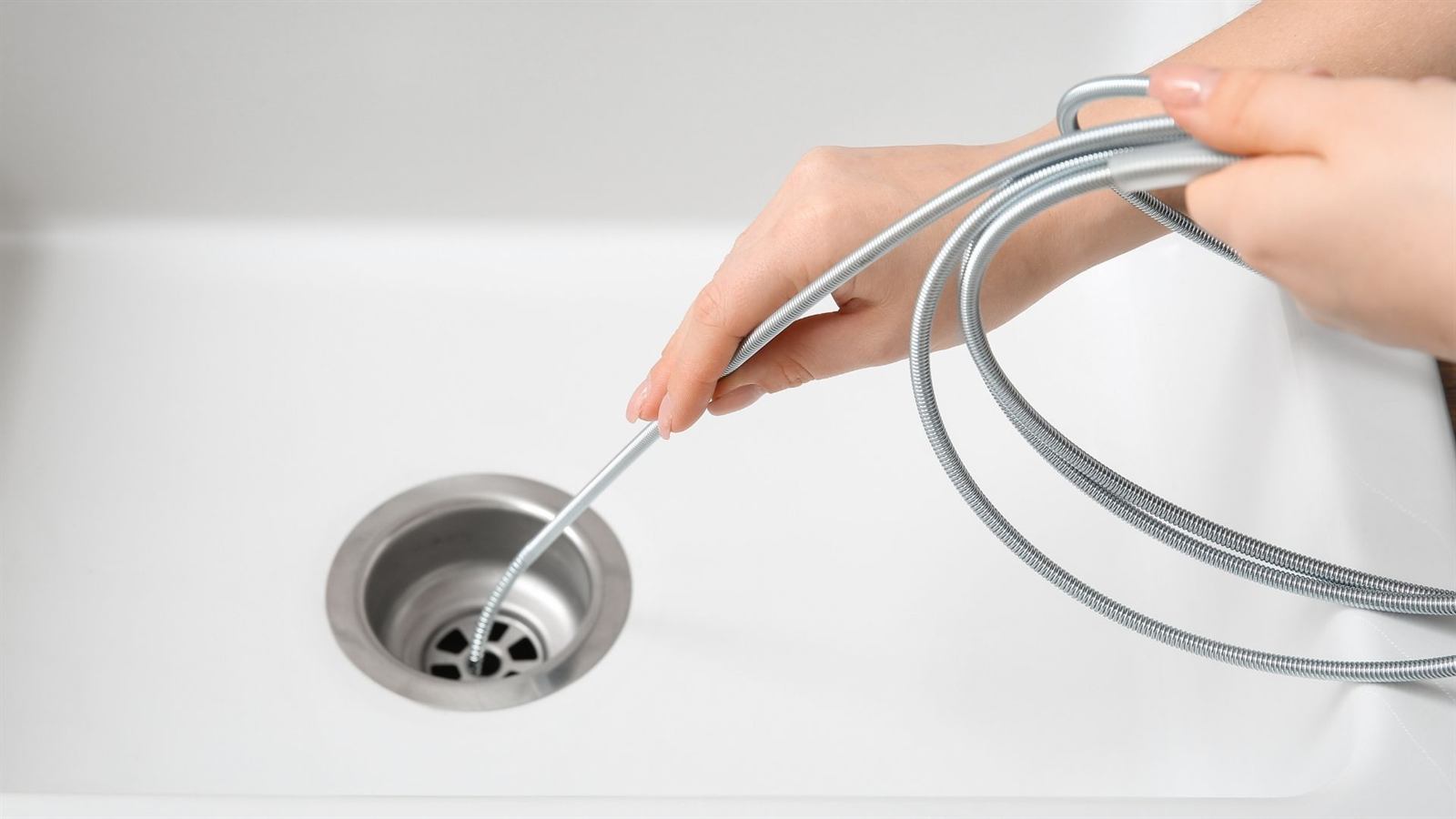
Kitchen Sinks · Tubs · Laundry Lines
Drain Cleaning in Reidsville, NC
A slow sink or a backed-up tub doesn't fix itself. We cable the line, clear the clog completely, and tell you what caused it — with the price approved before we start.
5.0
(22 reviews)
Licensed, Bonded & Insured
30+ Years of Hands-On Experience
Open 24 Hours, 7 Days a Week
Fair, Up-Front Pricing
Locally Owned in Reidsville
Drain Cleaning in Reidsville
Drain Cleaning Done Right the First Time
Anybody can rent a snake. Clearing the whole blockage — and knowing what old cast iron can handle — is the actual job.
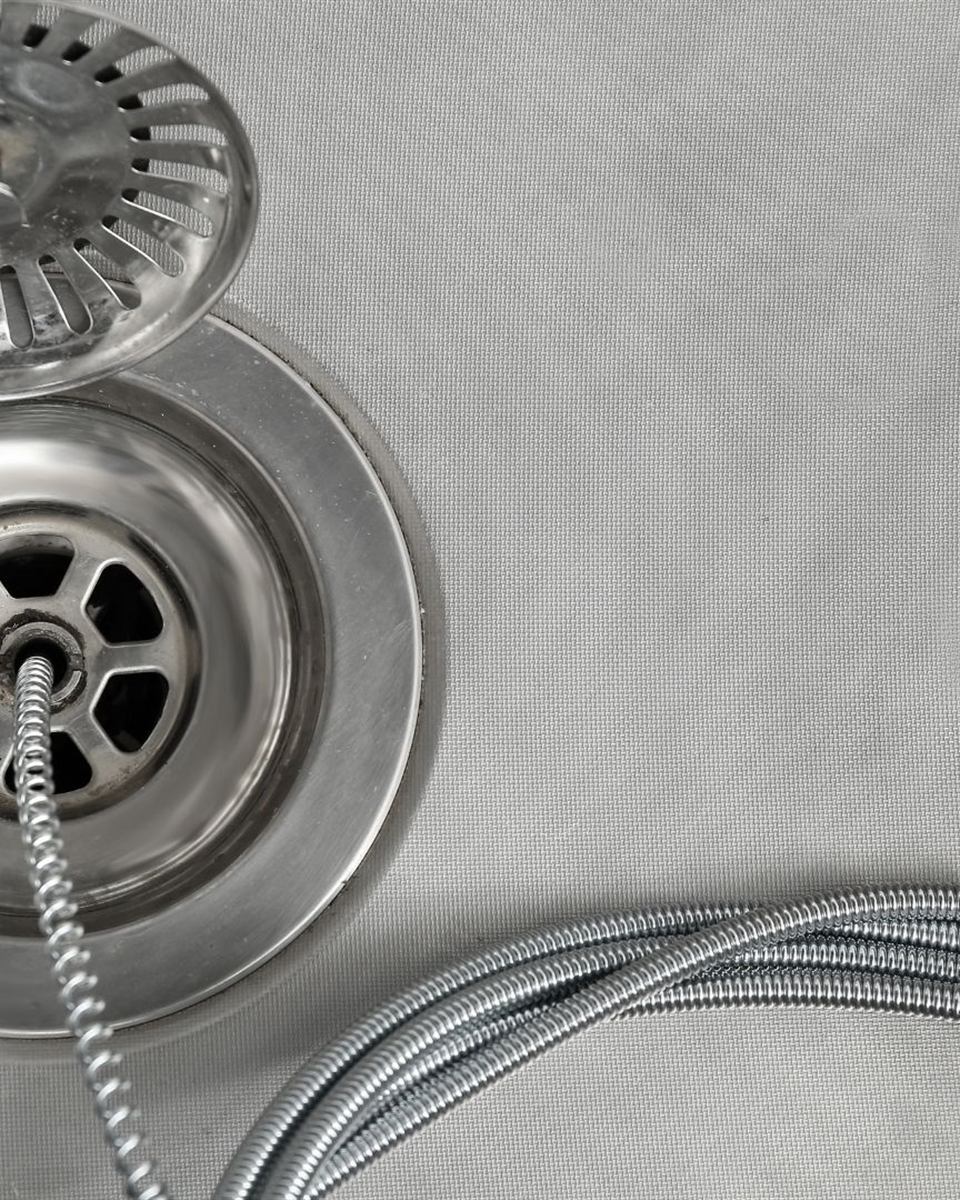
Most drain calls we run around Reidsville are everyday clogs: a kitchen sink full of grease, a tub matted with hair, a laundry line choked with lint. We cable the line with the right machine and cutter head for the job, clear the blockage completely, and run water to confirm it drains like it should before we pack up.
A lot of Reidsville's older mill-town homes — many built before 1980 — still drain through cast iron that's rusted rough on the inside, which snags grease and hair faster than newer pipe. With over 30 years of experience, Tim knows how to clear old cast iron without tearing it up, and he'll tell you straight if a line is nearing the end.
- Kitchen sink clogs
- Tub & shower drains
- Bathroom sink lines
- Laundry drain lines
- Toilet auger service
- Cast-iron drain cabling
- Floor drain clearing
- Drain maintenance advice
Slow Drains & Clogs
Clogged Drains We Clear Around Reidsville
Every one of these has a specific cause. We clear the blockage and tell you which one you're dealing with.
-
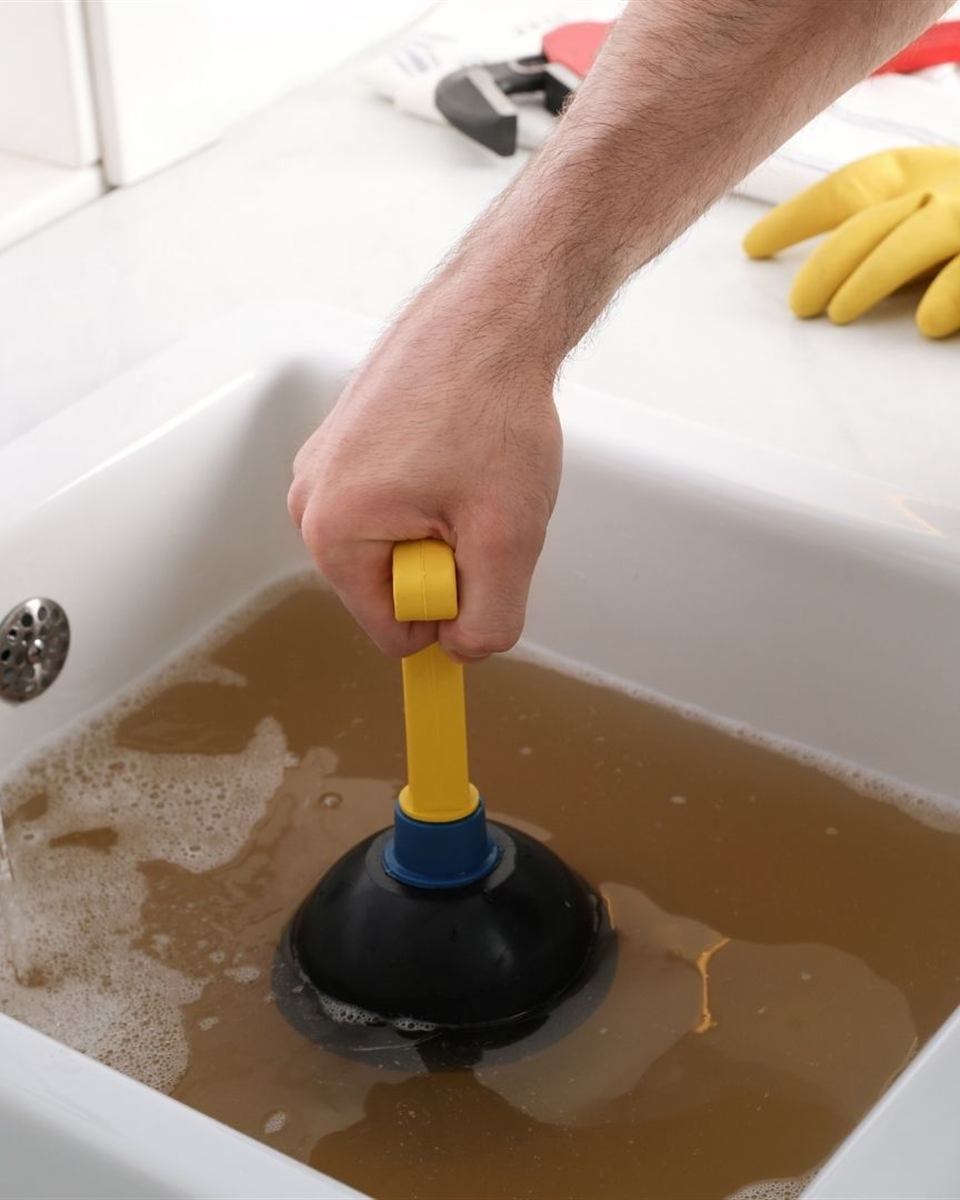
Kitchen Sink Won't Drain
Grease and food waste narrow the line year after year until one dinner finishes the job.
-
Tub Water Rises Around Your Ankles
Hair and soap scum bind together just past the stopper, where store tools can't reach.
-
Laundry Line Backs Up Mid-Cycle
Lint and detergent sludge build until the washer discharges faster than the pipe can take.
-
Two Fixtures Clog at Once
A shared branch line is blocked — clearing one fixture won't fix it, cabling the branch will.
-
Chemical Cleaners Stopped Working
Liquid products burn a thin channel through the clog; the buildup stays and closes right back in.
How Drain Cleaning Works
Our Drain Cleaning Visit, Step by Step
One trip, the right machine, and a clear answer about what caused it.
-
Tell Us Which Drain
Which fixture, how fast it slows, and whether others gurgle. That narrows the cause by phone.
-
Pick the Right Cable
Kitchen line, tub, or laundry drain — each gets a machine and head sized for the pipe.
-
Cable Through the Clog
We run the cutter through the full blockage, not just a hole in the middle of it.
-
Test Flow & Talk Prevention
We run water to prove it drains, then explain what caused it and how to keep it away.
Reidsville's Drains
Why Drains Clog in Older Reidsville Homes
Our mill-town housing stock has its own drain habits. Knowing them is half the fix.
Pre-1980 Cast Iron
Older Reidsville homes drain through cast iron that rusts rough inside and snags debris.
Crawl-Space Drain Runs
Long, shallow-pitched lines under crawl-space homes let solids settle and build up.
Hard-Water Scale in Lines
The Triad's moderately hard water leaves scale that narrows drains a little every year.
Cold-Weather Grease Clogs
Grease hardens fast in chilly crawl-space pipes each winter — kitchen calls spike December through February.
One Truck, Every Fixture
Sink, tub, toilet, or laundry line — we carry the cables and heads to clear each in one trip.
Licensed, Not Just Equipped
NC Plumbing License #L.38717 behind every drain call — a plumber, not a machine rental.
Drain Cleaning Reviews
What Reidsville Says About Our Drain Work
"Definitely the company to call central Piedmont plumbing and septic. These guys showed up on time, provided a thorough inspection and gave me multiple options. Pricing was very reasonable and the craftsmanship was outstanding. Will definitely use in the future."
"Can't say enough about Central Piedmont Plumbing and Septic. Great, fast and affordable service. They came right out and took care of plumbing issue. Definitely will call again if I have any plumbing problems."
Drain Cleaning Questions
Drain Cleaning FAQs
We cable the line with the right-sized machine, not a hand snake from the hardware store. The cutter head runs past the trap and through the grease and soap buildup that narrows kitchen lines. You approve the price before we start, and it doesn't change.
Same-Day Drain Help
Got a Drain Backing Up in Reidsville?
Call anytime — a person answers 24/7, and most clogged drains are cleared in a single visit.
Drains Flowing Again
Book Drain Cleaning in Reidsville
Tell us which fixture is backing up and how long it's been slow — we'll bring the right machine the first time.
Hours of Operation
- Monday Open 24 Hours
- Tuesday Open 24 Hours
- Wednesday Open 24 Hours
- Thursday Open 24 Hours
- Friday Open 24 Hours
- Saturday Open 24 Hours
- Sunday Open 24 Hours
Request a Free Quote
Tell us what's going on — we'll reply fast during business hours.