
"Excellent customer service!! Very knowledgeable and great communication, would recommend for all septic/plumbing needs."
Find It Without Tearing It Up
Leak Detection in Reidsville, NC
Water bill climbing? Meter spinning with everything off? We find the leak you can't see with methodical isolation testing — not exploratory holes in your drywall.
5.0
(22 reviews)
Licensed, Bonded & Insured
30+ Years of Hands-On Experience
Open 24 Hours, 7 Days a Week
Fair, Up-Front Pricing
Locally Owned in Reidsville
The Meter Never Lies
Leak Detection That Narrows, Never Guesses
Every hidden leak leaves evidence. Our job is reading it in the right order — so the first hole we open is the last one.
A hidden leak is a logic problem before it's a plumbing problem. We start at your meter — if the low-flow dial moves with every fixture off, water is escaping. Then we isolate: hot side versus cold, house versus yard line, branch by branch, watching where pressure holds. Each test cuts the search area in half.
That method matters in Reidsville, where homes hide pipe in crawl spaces, under slabs, and behind plaster walls that deserve better than exploratory demolition. With over 30 years of experience reading these systems, Tim can usually pinpoint the leak without opening anything — and you get written findings and repair options before deciding a thing.
- Hidden leak location
- Water meter testing
- Isolation pressure tests
- High-bill investigations
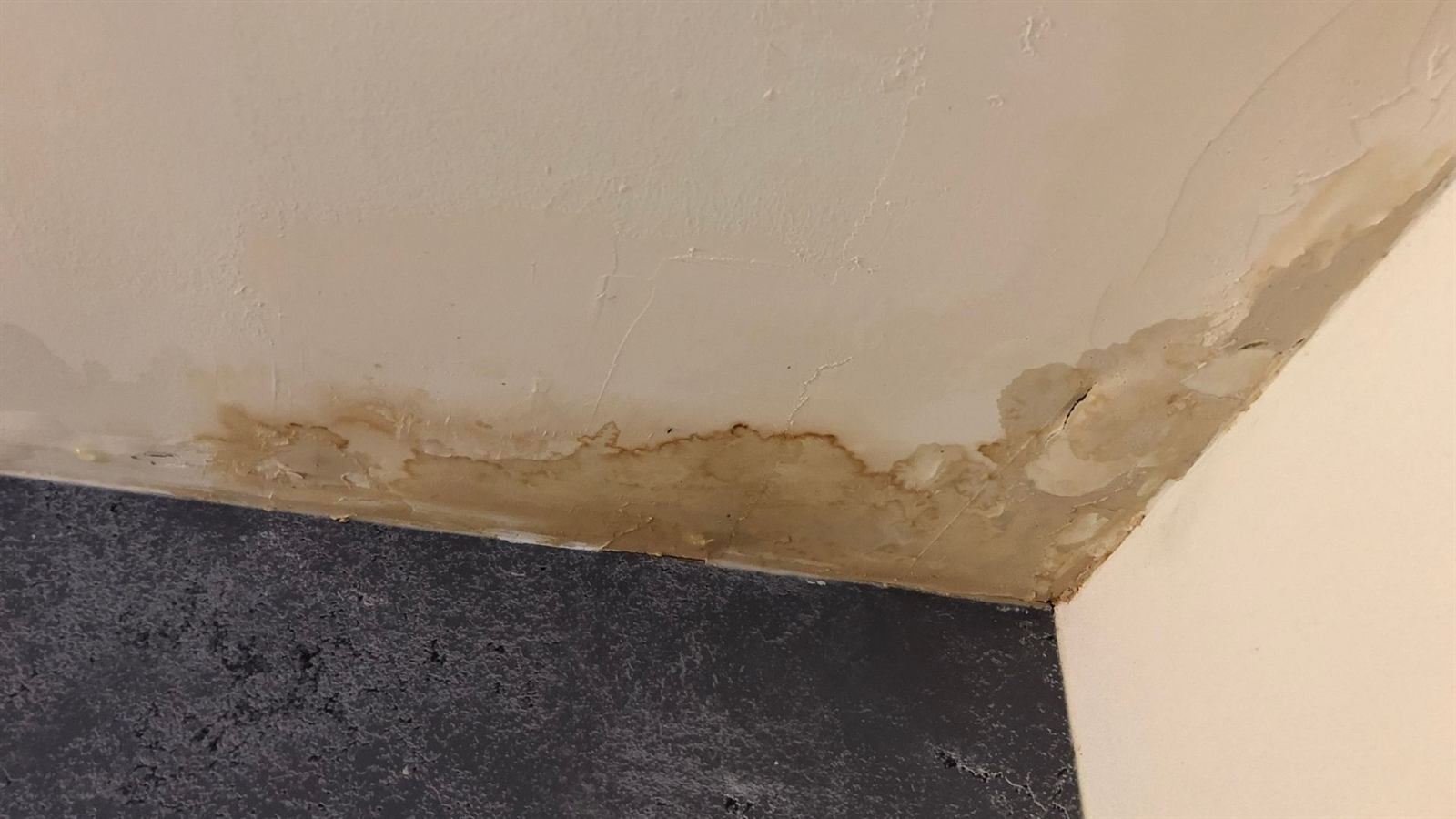
- Damp spot diagnosis
- Crawl-space line checks
- Under-slab leak screening
- Written findings & options


Hidden Leak Clues
Signs You Need Leak Detection, Not Guesswork
Water always leaves a trail. If any of these sound familiar, something is leaking where you can't see it.
-
Water Bill Jumped Without Reason
Same habits, bigger bill — the classic signature of a leak running around the clock.
-
Meter Spins With Everything Off
The low-flow indicator moving on a quiet house is proof water is escaping somewhere.
-
Damp Spots With No Source
A moist patch of floor, wall, or yard that never dries points to a concealed line.
-
Hissing Behind a Quiet Wall
Pressurized water escaping a pinhole makes a faint hiss you'll hear at night first.
-
Musty Smell From Floor Vents
Crawl-space leaks announce themselves by odor long before anything shows upstairs.
Elimination, Not Demolition
How We Run Leak Detection in Reidsville Homes
Each step cuts the search area in half — so walls stay closed until we know.
-
Meter Baseline Test
With every fixture off, the meter tells us if — and roughly how fast — water is escaping.
-
Isolate the System
Hot side, cold side, house, and yard line get tested separately under pressure.
-
Pinpoint the Section
We narrow the leak to a specific line and location, confirmed before anything opens.
-
Findings and Flat Prices
You get what we found in writing, with repair options priced — your call from there.
Where Leaks Hide Locally
Hidden Leak Patterns Across the Piedmont
Local construction gives water plenty of places to disappear. We know them all.
Crawl-Space Concealment
Leaks under older Reidsville homes drip into dirt for months without surfacing.
Under-Slab Supply Lines
Newer slab-built homes route water beneath concrete, where red clay movement stresses it.
Yard Line Losses
The run from meter to house can leak into clay soil with barely a soggy patch showing.
Pressure-Drop Evidence
Isolation testing reads pressure loss section by section — the leak locates itself.
Pinholes in Aging Copper
Decades of moderately hard water thin copper walls until pinhole sprays start inside walls.
Documentation for Insurance
Written findings help when your claim needs proof of where and why the leak occurred.
Found Fast, Explained Clearly
Leak Detection Reviews From Piedmont Homeowners
"Tim is the man to call for all your plumbing needs. Gets the job done quickly and tells you exactly what your problem is."
"He was very professional knew what to do in a very short time He told me what was going on and what he needed to do to get water back on I would recommend him greatly and will call him in the future"
Hidden Leak Questions
Leak Detection FAQs
By process of elimination. We use your water meter as a truth-teller, then isolate sections of the system one at a time — fixtures, hot side, cold side, the line to the street — watching where pressure holds and where it falls. The leak's location narrows itself down.
After the Leak Is Found
Services Related to Leak Detection
Bill Up, Answers Missing?
Suspect a Hidden Leak in Reidsville?
Call today — methodical testing finds it without tearing your house apart looking.
Locate First, Then Decide
Schedule Leak Detection in Reidsville
Tell us what tipped you off — the bill, the meter, the damp spot — and we'll bring the testing gear.
Hours of Operation
- Monday Open 24 Hours
- Tuesday Open 24 Hours
- Wednesday Open 24 Hours
- Thursday Open 24 Hours
- Friday Open 24 Hours
- Saturday Open 24 Hours
- Sunday Open 24 Hours
Request a Free Quote
Tell us what's going on — we'll reply fast during business hours.