Targeted scope
We focus on the failed section and the conditions around it instead of assuming an entire system must be replaced.
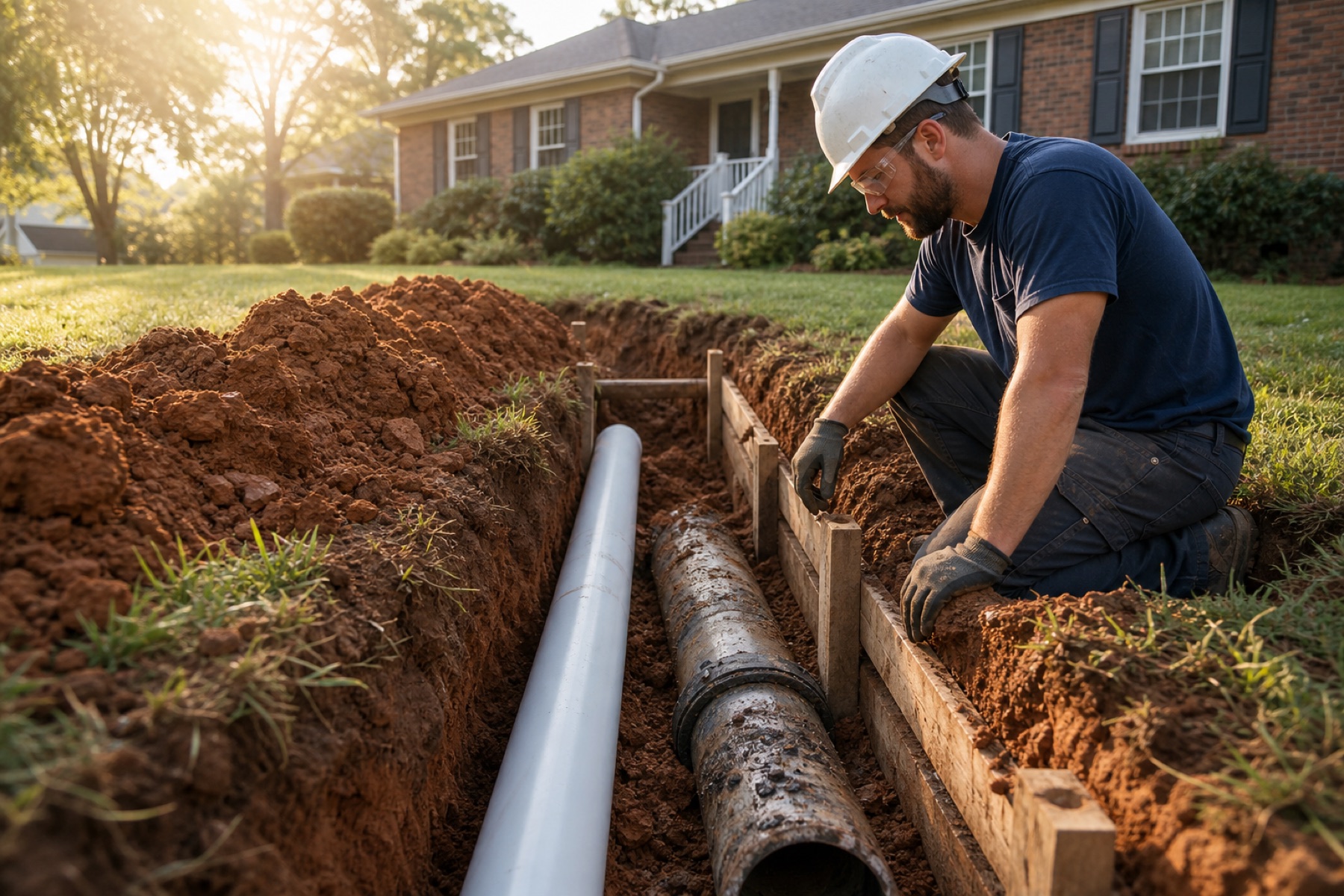
Damaged water, drain, or sewer piping can waste water, interrupt service, and affect the property around it. We identify the affected section and plan a repair suited to the pipe, location, and access.
Pipe repair addresses leaking, cracked, corroded, separated, frozen, or otherwise failed piping. Sewer line repair focuses on the main drainage path between the building and the public connection or septic system. Symptoms may include damp areas, low pressure, repeated backups, sewage odors, unusually green patches, or water appearing where it should not.
Piedmont red clay can retain moisture and becomes difficult to work when saturated. Tree roots, settling, older materials, and transitions between pipe types can also create weak points. Underground work requires careful locating, access planning, and restoration expectations before excavation begins.
We focus on the failed section and the conditions around it instead of assuming an entire system must be replaced.
Pipe material, diameter, use, pressure, and transition points guide the fittings and repair method.
Utilities, structures, landscaping, soil, equipment access, and final backfill are considered before digging.
Final materials depend on the existing installation, access, intended use, manufacturer instructions, and applicable requirements.
Every property is different. The estimate identifies the approved diagnostic, repair, installation, access, testing, cleanup, and exclusions that apply to your project.
Discuss My ProjectBefore the visit, clear safe access when possible, note when the symptom occurs, and gather photos, equipment information, permits, or system records that may help.
We combine the symptom, accessible inspection, system layout, and available records to narrow the affected area.
The proposed scope identifies the section, materials, excavation or opening needs, and restoration assumptions.
We complete the approved repair, test the line as applicable, and backfill or close the work area according to the agreed scope.
Not sure whether this is the correct service? Send the address, a photo when safe, and a short description. We’ll help identify the appropriate first visit.
Ask about your project →Project conditions can change the recommendation, but these answers explain common decisions and preparation steps.
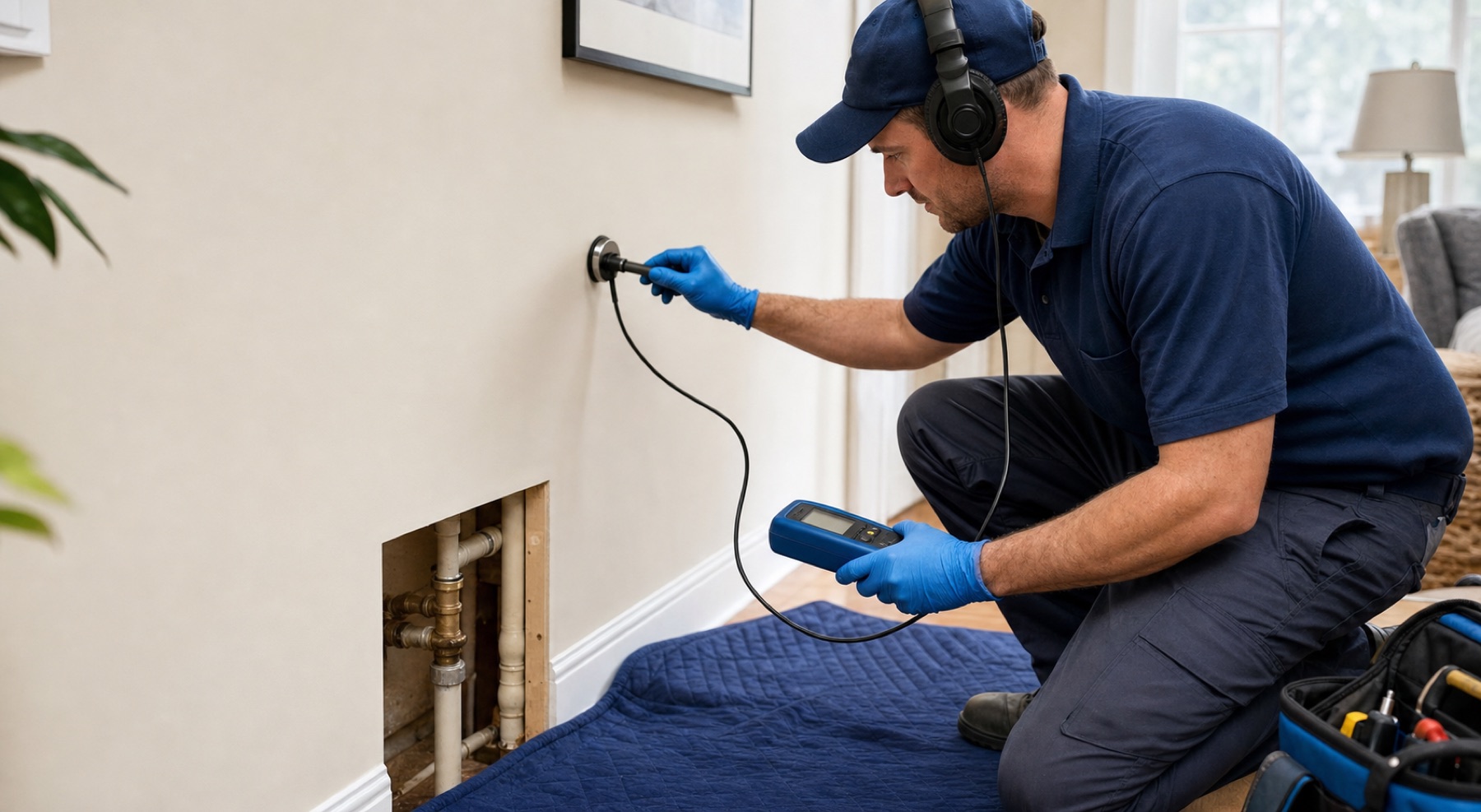
The process may use symptom patterns, accessible cleanouts, line locating, camera inspection when appropriate, and targeted excavation. The best method depends on the pipe and what access exists.
Not necessarily. We plan access around the suspected failure and equipment needs. The final excavation area depends on pipe depth, utilities, soil stability, and the length of damaged line.
The estimate should state what opening, backfill, patching, concrete, flooring, or landscaping is included. We discuss restoration boundaries before work so responsibilities are clear.
Stop using water, keep people and pets away from contaminated areas, and avoid contact with wastewater. Call for service and arrange appropriate cleanup if sewage has entered occupied space.
Call or send the project details. We’ll confirm service availability and whether an inspection or diagnostic visit comes first.